Cart
0
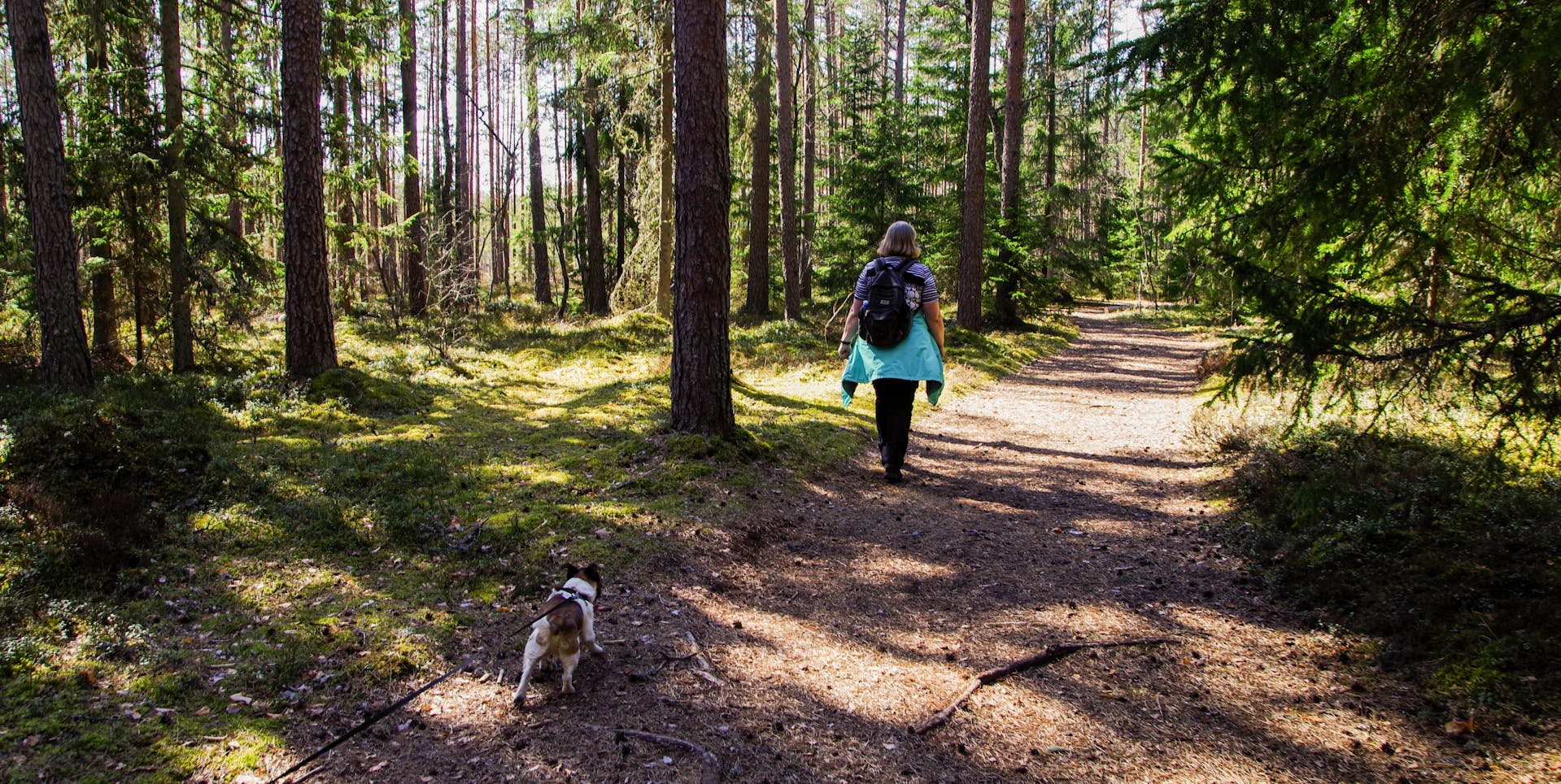
Backpacking is about freedom—exploring wild places, disconnecting from daily life, and reconnecting with nature. But every adventure leaves a footprint. The good news? With intentional choices, you can dramatically reduce waste and still enjoy a comfortable, reliable, and unforgettable trip.
This guide will walk you through how to pack a sustainable, zero-waste backpacking kit that protects the places you love while supporting long-lasting, eco-friendly gear.
What Does “Zero-Waste Backpacking” Really Mean?
Zero-waste doesn’t mean perfection. It means minimizing trash, choosing reusable gear, and prioritizing durability over disposability. The goal is to leave the trail exactly as you found it—if not better.
Think of zero-waste backpacking as a mindset:
-
Buy less, choose better
-
Reuse and repair whenever possible
-
Pack out everything you pack in
1. Start With a Sustainable Backpack
Your backpack is the foundation of your kit. Look for packs made from:
-
Recycled or upcycled materials
-
Durable fabrics designed for long-term use
-
Repairable components (replaceable buckles and straps)
A well-made backpack can last for years, reducing the need for frequent replacements and cutting down on manufacturing waste.
RECOMMENDED PRODUCT: 20L Waterproof Outdoor Hiking Backpack
2. Choose Reusable Food & Water Gear
Single-use food packaging is one of the biggest sources of trail waste. Replace disposables with:
-
Reusable silicone or fabric food storage bags
-
Lightweight stainless steel or titanium utensils
-
Collapsible bowls or cups
-
Refillable water bottles or hydration bladders
For water purification, opt for long-lasting filters or purification tablets with minimal packaging instead of single-use plastic bottles.
RECOMMENDED PRODUCT: Sport Hydration Pack with 3L Water Bladder
3. Pack Low-Waste, Lightweight Food
Sustainable backpacking food choices make a huge impact.
Zero-waste food tips:
-
Buy in bulk and portion meals at home
-
Dehydrate your own meals to avoid packaging
-
Choose foods with compostable or minimal wrappers
-
Repackage items in reusable containers
This reduces both trash weight and environmental impact on the trail.
4. Opt for Eco-Friendly Sleep Systems
A good night’s sleep doesn’t have to cost the earth.
Look for:
-
Sleeping bags made with recycled insulation
-
Durable sleeping pads designed for multiple seasons
-
Repair-friendly gear instead of cheap, disposable options
Longevity is key—high-quality sleep gear keeps you warm and reduces landfill waste over time.
5. Wear Sustainable Outdoor Clothing
Fast fashion has no place in the backcountry.
Choose:
-
Clothing made from recycled or organic materials
-
Versatile layers instead of single-purpose items
-
Durable fabrics that can be repaired
Bring only what you need and wash clothing responsibly after your trip to reduce microfiber pollution.
6. Switch to Plastic-Free Toiletries
Personal care items are often overlooked but make a big difference.
Zero-waste backpacking essentials include:
-
Solid shampoo, soap, and conditioner bars
-
Refillable toothpaste tablets or powders
-
Bamboo or compostable toothbrushes
Always follow Leave No Trace guidelines when disposing of waste and wastewater.
RECOMMENDED PRODUCT: 30pcs Eco-Friendly Bamboo Toothbrush Set
7. Repair, Don’t Replace
A zero-waste kit includes tools for extending gear life.
Pack a small repair kit with:
-
Needle and thread
-
Gear repair tape or patches
-
Multi-tool
Fixing gear on the trail—or at home—keeps items out of landfills and saves money.
8. Practice Leave No Trace Principles
Even the most sustainable gear can’t replace responsible behavior.
Remember to:
-
Stay on designated trails
-
Pack out all trash (including food scraps)
-
Respect wildlife
-
Camp on durable surfaces
Zero-waste backpacking is about protecting nature, not just consuming responsibly.
Final Thoughts: Adventure With Purpose
Packing a sustainable backpacking kit isn’t about sacrifice—it’s about intention. By choosing reusable, eco-friendly, and durable gear, you’re investing in better adventures and a healthier planet.
Every mindful choice helps preserve the outdoors for future explorers.
Ready to build your own sustainable kit? Explore eco-friendly outdoor and adventure gear at LightEarthGear.com and adventure responsibly.