Cart
0
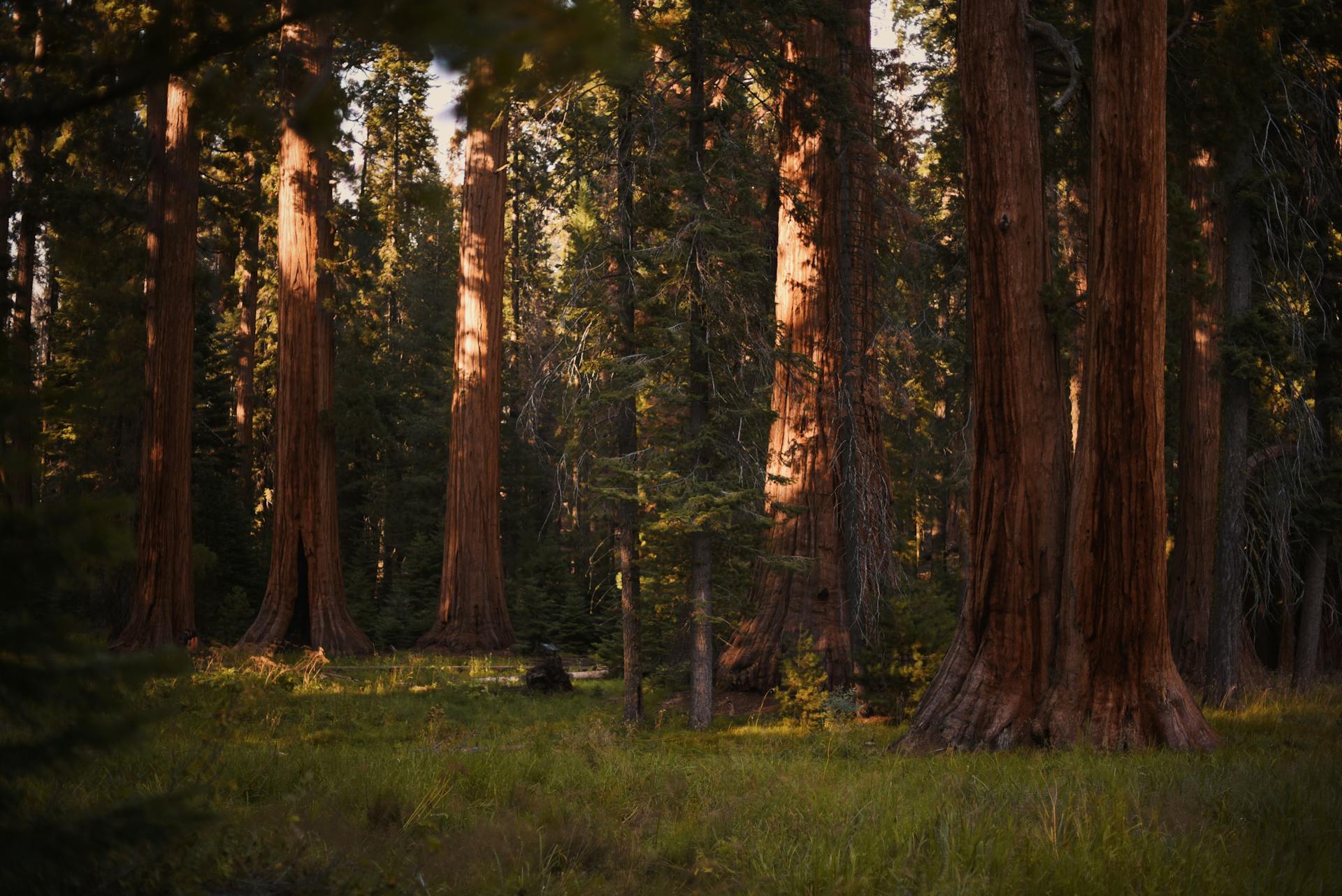
For outdoor lovers who care deeply about the planet, choosing where you hike can be just as important as how you hike. Across the United States, many trails and parks are leading the way in conservation, sustainability, and responsible tourism. These eco-friendly hiking destinations not only offer breathtaking scenery but also prioritize protecting ecosystems, wildlife, and natural resources.
If you’re looking to explore nature while leaving a lighter footprint, these green trails deserve a spot on your adventure list.
1. Great Smoky Mountains National Park (Tennessee & North Carolina)
As the most visited national park in the U.S., the Great Smoky Mountains also happens to be one of the most conservation-focused.
Why it’s eco-friendly:
-
Strict trail protection and restoration programs
-
Extensive Leave No Trace education
-
Dedicated wildlife preservation efforts
Don’t miss: Alum Cave Trail and Clingmans Dome for stunning views with well-maintained paths that minimize environmental impact.
2. Olympic National Park (Washington)
Olympic National Park is a shining example of biodiversity protection, home to rainforests, alpine peaks, and rugged coastline.
Why it’s eco-friendly:
-
Strong conservation policies
-
Limited access zones to protect fragile ecosystems
-
Emphasis on sustainable visitor practices
Don’t miss: Hoh Rain Forest trails for a rare, lush hiking experience that highlights the importance of habitat preservation.
3. Zion National Park (Utah)
Zion combines iconic red rock landscapes with innovative sustainability initiatives.
Why it’s eco-friendly:
-
Shuttle system reduces vehicle emissions
-
Active trail restoration projects
-
Visitor education focused on minimizing impact
Don’t miss: Emerald Pools Trail for a scenic, lower-impact hike ideal for eco-conscious adventurers.
4. Acadia National Park (Maine)
Acadia is a leader in sustainable park management, blending rugged coastal beauty with environmental responsibility.
Why it’s eco-friendly:
-
Carriage roads designed for foot and bike traffic
-
Coastal ecosystem preservation efforts
-
Ongoing erosion control initiatives
Don’t miss: Jordan Pond Path for a gentle, eco-conscious hike with incredible views.
5. Red River Gorge (Kentucky)
A favorite among hikers and climbers, Red River Gorge balances recreation with conservation.
Why it’s eco-friendly:
-
Community-led conservation programs
-
Emphasis on staying on designated trails
-
Active efforts to protect sandstone formations
Don’t miss: Auxier Ridge Trail for dramatic views and responsible trail access.
6. Mount Hood National Forest (Oregon)
This Pacific Northwest gem promotes sustainable outdoor recreation year-round.
Why it’s eco-friendly:
-
Trail maintenance powered by volunteer programs
-
Forest conservation and replanting initiatives
-
Education on minimizing wildfire risk
Don’t miss: Tamanawas Falls Trail, a scenic hike that highlights careful land stewardship.
7. Shenandoah National Park (Virginia)
With its famous Skyline Drive and rolling Blue Ridge Mountains, Shenandoah is committed to eco-friendly tourism.
Why it’s eco-friendly:
-
Wildlife corridors and habitat protection
-
Sustainable trail design
-
Educational ranger programs
Don’t miss: Dark Hollow Falls Trail for a rewarding hike with minimal environmental disruption.
How to Hike These Trails Responsibly
Even the greenest destinations rely on hikers to do their part:
-
Stick to marked trails
-
Pack out all waste
-
Use reusable gear and water bottles
-
Respect wildlife and other hikers
-
Follow Leave No Trace principles
Choosing sustainable gear from Light Earth Gear can also help reduce your environmental footprint while keeping you prepared on the trail.
Final Thoughts
Eco-friendly hiking isn’t about limiting adventure—it’s about preserving it. These green trails prove that breathtaking landscapes and environmental responsibility can go hand in hand. By choosing destinations that value conservation and hiking mindfully, you help protect the places that inspire exploration.
Nature gives us everything. Let’s give something back.